


[ez-toc]
Why Professional Bookkeeping Services Are Essential for Business Success
Running a successful business requires more than just a great product or an innovative service. Behind every thriving business lies a solid foundation of sound financial management, and one of the most critical—yet often underestimated—components of this foundation is accurate and efficient financial bookkeeping. Whether you’re a startup entrepreneur or an experienced business owner, maintaining organized and up-to-date financial records is essential for making informed decisions, planning for growth, and staying compliant with ever-changing tax laws.
Bookkeeping goes far beyond simple data entry—it involves the systematic recording, organizing, and maintenance of every financial transaction your business engages in. From reconciling bank accounts and generating profit-and-loss reports to managing payroll and preparing for tax season, bookkeeping is the heartbeat of your company’s financial operations. When handled properly, it provides clear insights into your financial health, highlights areas for cost optimization, and ensures you’re always audit-ready.
However, many small and medium-sized businesses struggle with maintaining accurate books, often due to limited time, lack of expertise, or insufficient resources. Common issues such as payroll errors, delayed tax filings, and cash flow mismanagement can lead to financial penalties, operational disruptions, and even loss of credibility with investors or lenders.
In this article, we’ll take a closer look at why professional bookkeeping services are essential for sustainable business success. We’ll explore the typical bookkeeping and payroll challenges faced by small businesses, and how outsourcing these tasks to experts can save time, reduce stress, enhance accuracy, and ultimately improve your bottom line. Whether you’re trying to scale operations, streamline compliance, or simply focus on your core business, professional bookkeeping services can be a game-changer.
The Importance of Bookkeeping and Tax Services
Running a business comes with a multitude of responsibilities—and few are as crucial as managing your finances properly. Whether you’re a solo entrepreneur or leading a growing team, having a clear understanding of your financial standing is essential for long-term success. This is where professional bookkeeping and tax services step in, offering the clarity, accuracy, and compliance that every business needs.
Bookkeeping involves the systematic recording, organizing, and tracking of all financial transactions. It forms the foundation for informed decision-making, budget planning, and business forecasting. Without proper bookkeeping, business owners often find themselves guessing when it comes to cash flow, profit margins, or tax liabilities—leading to financial mismanagement and missed growth opportunities.
On the other hand, tax services ensure that your business complies with local, provincial, and federal tax laws. With constant changes in tax regulations and deadlines, it’s easy to make costly mistakes. From calculating deductions to filing returns on time, expert tax services not only keep you compliant but can also uncover valuable tax-saving opportunities.
In this article, we’ll dive into why bookkeeping and tax services are more than just administrative tasks—they are strategic tools for stability, growth, and peace of mind. Whether you’re navigating payroll complexities, preparing for an audit, or planning your next investment, understanding the importance of these services is key to building a resilient and financially healthy business.
What Are Bookkeeping and Tax Services?
Bookkeeping and tax services are essential functions that ensure the financial accuracy and legal compliance of any business. At their core, these services involve the meticulous recording of all financial transactions, including sales, purchases, receipts, and payments. This detailed record-keeping forms the basis for preparing key financial statements such as balance sheets, income statements, and cash flow reports—documents that offer critical insight into the financial health and performance of your business.
In addition to maintaining day-to-day financial records, these services also encompass the preparation and filing of various tax returns, including income tax, sales tax, and payroll taxes. Staying compliant with local, provincial, and federal tax regulations is not only a legal obligation but also crucial to avoiding costly penalties, audits, or reputational damage. Moreover, strategic tax planning—when done correctly—can result in significant savings and improved financial efficiency.
Typically, these responsibilities are handled by a dedicated professional such as a bookkeeper, accountant, or an experienced tax consultant. Many businesses, especially small to medium-sized enterprises, choose to outsource these tasks to specialized accounting and tax services firms. These firms bring the expertise, tools, and up-to-date regulatory knowledge necessary to manage financial operations accurately and efficiently, allowing business owners to focus on growth and core operations without the added stress of financial management.
Why Are They Crucial for Business Success?
- Accurate Financial Reporting:
Professional bookkeeping services ensure that all financial records—such as income, expenses, assets, and liabilities—are recorded accurately and updated regularly. This level of precision is essential for generating reliable financial reports, including profit and loss statements, balance sheets, and cash flow statements. Accurate reporting not only helps in day-to-day business management but is also crucial when applying for loans, grants, or presenting to investors and stakeholders. - Tax Compliance:
Navigating the complexities of local, provincial, and federal tax regulations can be challenging for business owners. Hiring a qualified tax professional, such as a CPA or a certified tax accounting firm, ensures your business complies with the latest tax laws and deadlines. From calculating tax liabilities to filing returns and managing deductions, these experts help avoid costly mistakes, penalties, or interest charges—ultimately keeping your business on the right side of the law. - Better Financial Planning:
When your books are clean, organized, and up to date, your financial decision-making becomes much more effective. Reliable bookkeeping data allows business owners to track performance, monitor expenses, set realistic budgets, and forecast future financial trends. This strategic visibility empowers you to make informed choices regarding growth, hiring, inventory, and investments, which are vital to long-term business sustainability. - Reduced Risk:
Regular bookkeeping and timely tax preparation significantly reduce the chances of errors, discrepancies, and oversights that could trigger audits or investigations. When your records are thorough and transparent, it’s easier to respond confidently to any inquiries from tax authorities. Additionally, having professional accountants review your financial data can catch and correct issues early—before they become major problems. - Improved Investor Confidence:
Clear, accurate, and professionally maintained financial records enhance credibility and build trust with current and potential investors. Whether you’re seeking funding, forming partnerships, or presenting quarterly results, well-managed financials send a strong signal that your business is responsible, organized, and investment-ready. Investors are far more likely to support a business that demonstrates financial transparency and sound accounting practices.
Common Bookkeeping and Payroll Issues Faced by Small Businesses
Managing the financial side of a small business is no easy feat. While owners and managers are often focused on delivering quality products or services and growing their customer base, the importance of accurate bookkeeping and timely payroll processing can’t be overstated. Unfortunately, many small businesses encounter recurring challenges in these areas—some of which can have serious financial, legal, and operational consequences if left unaddressed.

Bookkeeping and payroll may seem straightforward on the surface, but they involve a range of detailed tasks, from tracking daily transactions and reconciling accounts to calculating employee wages, taxes, and deductions. Without proper systems, training, or professional oversight, small errors can snowball into bigger problems—impacting everything from tax compliance to employee satisfaction.
In this section, we’ll explore the most common bookkeeping and payroll issues faced by small businesses. Understanding these challenges is the first step toward creating more efficient, compliant, and stress-free financial operations.
1. Lack of Time and Resources
Many small business owners wear multiple hats—managing operations, sales, customer service, and more. Amidst these responsibilities, tasks like bookkeeping, payroll processing, and meeting tax deadlines often fall by the wayside. Limited time and a lack of dedicated financial staff can lead to neglected records, missed filings, and costly errors. Without professional support, essential financial duties become reactive instead of proactive, affecting the overall health of the business.
2. Inaccurate Financial Statements
When bookkeeping is inconsistent or done without oversight, it often results in incomplete or incorrect financial statements. These inaccuracies can hinder your ability to make sound business decisions, secure funding, or attract investors. Financial statements are the language of your business—if they don’t reflect reality, you could be steering your company in the wrong direction or missing critical opportunities for growth and optimization.
3. Tax Filing Mistakes
Taxes are a complex and ever-evolving area of business compliance. Without professional tax preparation services or the expertise of a tax preparer company, small businesses are at risk of misreporting income, overlooking eligible deductions, or failing to meet tax deadlines. These mistakes can result in hefty fines, audits, or legal complications. Accurate bookkeeping paired with knowledgeable tax professionals is key to staying compliant and maximizing tax efficiency.
4. Payroll Management Errors
Payroll is one of the most sensitive areas of business operations. Incorrect wage calculations, missed tax withholdings, or delayed salary payments can quickly damage employee trust and lead to legal troubles. Many small businesses lack the infrastructure to handle payroll properly, especially as they grow. By using professional payroll and accounting services, businesses can ensure timely, accurate payroll processing and maintain compliance with employment regulations.
5. Confusion Between Bookkeeping and Accounting
It’s common for small business owners to confuse bookkeeping and accounting services. While bookkeeping focuses on recording daily financial transactions—such as sales, expenses, and receipts—accounting involves the interpretation, analysis, and strategic use of this data. Both services are essential, but each plays a distinct role in supporting financial clarity and business growth. Without understanding the difference, businesses might neglect critical financial planning and analysis.
6. Poor Payroll Planning
A lack of payroll planning can create a host of problems, from late or incorrect payments to noncompliance with labor laws. Businesses without a payroll calendar or budgeting process often find themselves scrambling to meet deadlines or calculate correct tax withholdings. Payroll planning should include setting schedules, understanding tax obligations, and ensuring there are adequate funds and systems in place. Outsourcing this function to professionals brings structure, predictability, and peace of mind.
7. Lack of Industry-Specific Knowledge
Every industry has its own financial nuances and regulatory requirements. For example, construction companies need job-costing and progress billing, while healthcare providers must track insurance reimbursements and patient billing. Without access to specialized services like construction bookkeeping or healthcare accounting, businesses risk misclassifying expenses, underreporting income, or failing audits. Hiring professionals who understand the specific needs of your industry ensures greater financial accuracy and compliance.
Benefits of Professional Bookkeeping and Accounting Services
In today’s fast-paced business environment, staying financially organized is more important than ever. Whether you’re running a small startup or managing a growing enterprise, having clear, accurate, and timely financial records is essential to your success. That’s where professional bookkeeping and accounting services come into play—not just as support functions, but as strategic partners in your business growth.
Many business owners attempt to manage their books on their own or rely on inexperienced staff, only to find themselves overwhelmed by errors, missed deadlines, or financial blind spots. By outsourcing these responsibilities to experienced professionals, businesses gain far more than just clean books. They gain peace of mind, expert insights, and the freedom to focus on what they do best—running and expanding their business.
In this section, we’ll explore the key advantages of using professional bookkeeping and accounting services, and how they can transform your day-to-day operations while setting the stage for long-term success.
Save Time and Focus on Growth
Outsourcing accounting and bookkeeping services allows businesses to streamline their operations by offloading time-consuming and detail-oriented financial tasks to qualified professionals. This strategic move not only ensures greater accuracy and compliance but also frees up valuable time for business owners and management teams. Instead of getting bogged down in day-to-day recordkeeping, bank reconciliations, and payroll processing, they can redirect their focus toward high-level objectives such as business development, customer engagement, innovation, and strategic planning. In doing so, companies enhance their operational efficiency while benefiting from the expertise of financial professionals who stay updated on the latest accounting standards, tax laws, and industry best practices.
Improved Accuracy and Compliance
Professional bookkeeping experts utilize advanced accounting tools such as QuickBooks Online to maintain accurate, real-time financial records and ensure full compliance with local and federal tax regulations. These cloud-based platforms offer powerful features like automated transaction recording, bank reconciliation, invoicing, and tax reporting, all of which contribute to streamlined and error-free bookkeeping. By leveraging such technology, professional bookkeepers minimize the risk of human error, improve financial transparency, and make it easier to generate timely reports that support better business decision-making. Additionally, these tools help ensure that businesses remain audit-ready and meet all regulatory requirements with confidence.
Cost-Effective Solutions
Hiring a full-time, in-house accountant can be a significant financial commitment for small and medium-sized businesses, especially when factoring in salaries, benefits, and ongoing training costs. In contrast, outsourcing to a professional accounting firm offers access to the same level of expertise—often even more specialized—at a fraction of the cost. These firms provide scalable solutions tailored to your business needs, whether it’s monthly bookkeeping, payroll management, tax preparation, or financial reporting. This approach not only reduces overhead expenses but also ensures you receive high-quality, compliant, and timely financial services without the burden of managing additional staff.
Customized and Scalable Services
A professional accounting firm offers customized financial services designed to meet the unique needs of your business based on its size, structure, and industry. Unlike one-size-fits-all solutions, these firms take the time to understand your operations and provide tailored support that aligns with your goals and regulatory environment. Whether you operate a construction company requiring job costing and progress billing, a healthcare practice dealing with insurance reimbursements and compliance, or an online business needing real-time eCommerce bookkeeping, expert accounting services can be adapted to address your specific challenges. This personalized approach ensures accurate reporting, efficient processes, and informed decision-making—no matter your industry.
Real-Time Financial Insights
Cloud-based accounting software, such as QuickBooks Online (QBO), empowers business owners with real-time access to their financial data from anywhere in the world. With just an internet connection, users can monitor income and expenses, reconcile bank accounts, generate financial reports, and track key performance indicators (KPIs) on the go. This level of accessibility not only enhances operational efficiency but also enables faster decision-making, as business owners and managers can stay informed and respond to financial trends or issues instantly. Additionally, features like automated syncing, secure data backups, and multi-user access make platforms like QBO an indispensable tool for modern businesses seeking agility and transparency in their accounting processes.
Why Payroll Services Are a Must-Have for Small Businesses
Payroll management is one of the most critical yet time-consuming responsibilities for any small business. From calculating wages and deductions to handling tax filings and direct deposits, payroll involves a wide range of complex tasks that must be executed with precision and timeliness. For many small business owners, trying to manage payroll in-house can quickly become overwhelming—especially when juggling compliance requirements, changing tax laws, and growing teams.
That’s why professional payroll services have become an essential resource for small businesses aiming to stay efficient, accurate, and compliant. These services not only ensure that employees are paid correctly and on time, but also help manage payroll taxes, generate reports, and handle year-end documentation. By outsourcing payroll, business owners can eliminate the risk of costly mistakes and free up valuable time to focus on growth and operations.
In this section, we’ll explore the key reasons why payroll services are a must-have for small businesses and how they contribute to long-term success, financial compliance, and employee satisfaction.
What Is Payroll Management?
Payroll management encompasses a wide range of administrative and financial tasks that are essential to ensuring employees are compensated accurately and in compliance with legal requirements. This process begins with tracking employee work hours, whether they are hourly, salaried, or on commission. From there, it includes calculating gross wages, applying necessary deductions such as income tax, social security, retirement contributions, and healthcare premiums, and determining the final net pay.
In addition to issuing paychecks or processing direct deposits, payroll management also involves the timely filing and reporting of payroll taxes to relevant government authorities at the local, provincial, and federal levels. This includes submitting employee tax withholdings, employer contributions, and end-of-year documentation such as W-2s or equivalent forms. Maintaining accurate payroll records, ensuring compliance with labor laws, and managing leave balances and benefits further highlight the importance of a structured and reliable payroll system.
Payroll Challenges for Small Businesses
- Managing Payroll Taxes Correctly
One of the most critical aspects of payroll management is accurately calculating and withholding the appropriate taxes from employee wages. This includes federal and provincial income tax, social security contributions, unemployment taxes, and any other mandatory deductions. Failure to manage payroll taxes properly can lead to significant penalties, interest charges, and audits. A reliable payroll system or service ensures these taxes are computed accurately, reported on time, and remitted to the proper authorities, reducing the risk of non-compliance. - Staying Compliant with Labor Laws
Labor laws can vary significantly depending on the jurisdiction and industry, covering areas such as minimum wage requirements, overtime regulations, paid leave, and employee classification (e.g., contractor vs. full-time). Small businesses must stay up to date with these laws to avoid legal issues, fines, or employee disputes. Professional payroll services help ensure compliance by applying the correct rules to each payroll cycle and keeping records that are audit-ready. - Selecting the Right Payroll Solutions and Payroll Service Providers
Choosing the appropriate payroll software or service provider is vital for efficient operations. With many options available—ranging from basic tools for startups to advanced systems for growing companies—selecting the right fit can make a significant difference in accuracy, ease of use, and scalability. A dependable provider offers features like automated tax filing, employee portals, real-time reporting, and dedicated customer support, helping businesses streamline their payroll process and save valuable time. - Handling Last-Minute Changes
Payroll isn’t always predictable. Employees may work overtime, request sudden leave, or receive bonuses and commissions that need to be factored into the pay cycle. Managing these last-minute changes requires flexibility, speed, and precision. Without a well-organized payroll system in place, such updates can lead to errors, delayed payments, or inaccurate tax reporting. A responsive payroll management solution can accommodate these changes in real time, ensuring employees are always paid correctly. - Ensuring Data Security and Confidentiality
Payroll information includes highly sensitive data such as employee identification numbers, bank account details, salaries, and tax records. Safeguarding this information is essential to protect against data breaches, identity theft, and legal consequences. Professional payroll service providers implement advanced security measures, such as encryption, multi-factor authentication, and secure cloud storage, to ensure that employee data remains confidential and protected at all times.
Why Use a Payroll Management Company?
Outsourcing payroll to a reputable payroll company or hiring professional payroll service providers offers numerous advantages that go far beyond simple paycheck processing. It ensures that payroll is handled accurately, on time, and in full compliance with ever-changing local, provincial, and federal regulations. These professionals have in-depth knowledge of employment laws, tax codes, and reporting requirements, significantly reducing the risk of costly errors, missed deadlines, or regulatory violations.
By relying on expert payroll accountants, businesses gain peace of mind knowing that wage calculations, deductions, and tax filings are managed with precision. Additionally, outsourcing eliminates the burden of managing payroll internally, freeing up time and resources that can be better spent on core business activities. Whether you’re dealing with complex pay structures, multiple pay schedules, or remote teams, professional payroll services offer scalable, reliable, and secure solutions tailored to your specific needs.
The Role of Accounting in Tax Preparation and Business Success
Accounting is far more than just a back-office function—it’s a critical pillar of every successful business. At the heart of smart financial management, accounting provides the structure, accuracy, and insight needed to keep operations running smoothly and profitably. When it comes to tax preparation, proper accounting practices ensure your business remains compliant, avoids penalties, and takes full advantage of tax-saving opportunities.
Accurate accounting keeps your financial records organized throughout the year, making tax season less stressful and more efficient. It allows for precise tracking of income, expenses, assets, and liabilities—all of which are essential for preparing complete and accurate tax returns. Without a reliable accounting system in place, businesses are more likely to face errors, missed deadlines, or overlooked deductions.
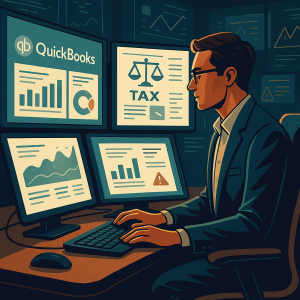
Beyond taxes, accounting plays a vital role in long-term business success. It supports informed decision-making, budget planning, investor reporting, and financial forecasting. Whether you’re looking to grow, reduce costs, or prepare for funding, solid accounting provides the data and clarity you need to move forward with confidence.
In the following sections, we’ll explore how accounting drives tax readiness and fuels smarter business strategies that lead to growth and sustainability.
Tax Preparation and Bookkeeping: A Powerful Combo
Tax preparation and bookkeeping are closely interconnected, forming the backbone of sound financial management for any business. Effective bookkeeping involves consistently recording, organizing, and categorizing every financial transaction—expenses, income, payroll, and more—throughout the year. These detailed and accurate records provide the essential foundation for smooth and efficient tax preparation when tax season arrives.
Without well-maintained books, preparing and filing taxes becomes a disorganized, time-consuming process filled with uncertainty and potential errors. However, when your bookkeeping is up to date, your accountant or tax preparer has immediate access to clean, accurate data, making it easier to calculate liabilities, identify deductions, ensure compliance, and file returns on time. In short, good bookkeeping reduces stress, minimizes the risk of audits or penalties, and sets your business up for a seamless tax season every year.
Tax Planning and Strategy
Professional accounting and tax professionals offer much more than just filing annual returns—they play a vital role in proactive tax planning for 2025 and beyond. With in-depth knowledge of current tax laws, regulations, and upcoming changes, these experts can help businesses and individuals strategically plan their finances to minimize tax liabilities in both the short and long term.
Using advanced tax strategies, such as timing income and expenses, maximizing allowable deductions and credits, managing capital gains, and optimizing business structure, professional accountants ensure you’re not overpaying taxes or missing valuable opportunities. Their forward-thinking approach allows you to make smarter financial decisions throughout the year, rather than scrambling at year-end. Whether you’re planning to expand your business, invest in new assets, or prepare for succession, expert tax planning provides the clarity and confidence needed to move forward efficiently and compliantly.
Handling Complex Tax Issues
A professional tax consultant serves as a valuable partner when it comes to navigating the complexities of the tax system. These experts are equipped to handle a wide range of tax-related challenges, from resolving disputes with tax authorities and correcting previous filing errors to representing clients during audits. Their deep understanding of tax codes and regulations enables them to identify and address issues that might otherwise go unnoticed—helping to prevent costly penalties and reduce liabilities.
In addition to resolving problems, tax consultants play a proactive role by offering personalized tax planning advice tailored to your financial situation, industry, and long-term goals. Whether you’re managing a growing business, dealing with multiple income streams, or handling international transactions, they can structure your finances in the most tax-efficient way possible. Most importantly, having a qualified tax consultant by your side offers peace of mind, especially during audits or financial reviews, ensuring that all documentation is accurate, complete, and fully compliant with current tax laws.
Business Deductions and Tax Efficiency
With the expert guidance of business deductions accountants, companies can significantly enhance their financial efficiency by identifying and maximizing all eligible deductions throughout the fiscal year. These professionals possess in-depth knowledge of tax codes and deduction categories specific to different industries, enabling them to uncover savings opportunities that may otherwise go unnoticed. From operating expenses and home office costs to vehicle usage and equipment depreciation, business deduction accountants ensure that every qualifying expense is properly documented and utilized.
By taking a strategic approach to expense tracking and deduction planning, businesses can reduce their taxable income and ultimately increase their year-end savings. This not only minimizes the tax burden but also frees up cash flow for reinvestment and growth. Working with a knowledgeable deductions accountant helps ensure that your business remains compliant while taking full advantage of the financial benefits available under current tax laws.
Why Outsourced Bookkeeping and Accounting Services Are Growing
In today’s fast-paced and increasingly digital business environment, more and more companies—especially small to medium-sized businesses—are turning to outsourced bookkeeping and accounting services. What was once considered a function best kept in-house is now being strategically outsourced to experienced professionals who offer greater efficiency, accuracy, and cost savings. This shift isn’t just a trend—it’s a reflection of changing business needs and the demand for smarter, more agile financial management.
Outsourcing allows businesses to access expert-level financial support without the overhead of hiring full-time staff. It provides access to cutting-edge accounting tools, ensures compliance with ever-evolving tax regulations, and delivers timely financial insights to help businesses grow with confidence. Whether it’s managing day-to-day bookkeeping, handling complex tax filings, or generating financial reports for decision-making, outsourced services offer flexibility and peace of mind.
In this section, we’ll explore the key reasons why outsourced bookkeeping and accounting services are on the rise, and how this approach is helping businesses stay competitive, scalable, and financially sound in a dynamic marketplace.
Access to a Team of Experts
An outsourced bookkeeping solution provides businesses with direct access to a team of highly qualified accounting professionals, including certified public accountants (CPAs), without the substantial costs associated with hiring and maintaining a full-time, in-house finance department. This approach eliminates expenses related to salaries, benefits, training, office space, and software licensing, while still delivering expert-level support tailored to your business’s specific needs.
By outsourcing, you gain the advantage of working with a team that brings diverse experience, deep industry knowledge, and up-to-date expertise in accounting standards and tax regulations. Whether you need assistance with daily transaction recording, bank reconciliations, payroll processing, or financial reporting, these professionals ensure accuracy, compliance, and strategic insight—all while keeping overhead low. It’s a smart, scalable solution that allows businesses to maintain financial control and quality without the traditional staffing burden.
Flexibility and Scalability
As your business evolves and expands, your outsourced bookkeeping service can seamlessly scale alongside it—whether you’re transitioning from a solo startup to a growing small business, or from a mid-sized operation to a large enterprise. One of the key advantages of professional bookkeeping services is their flexibility and adaptability. These services are designed to grow with your needs, offering everything from basic transaction recording and monthly reconciliations to advanced financial reporting, payroll management, and tax strategy support.
With scalable bookkeeping, you won’t have to worry about outgrowing your financial systems or hiring additional internal staff to handle increased workload. Instead, your service provider can adjust the level of support, integrate new tools, and expand their offerings to match the complexity and size of your business. This ensures you always have the financial visibility, compliance, and insight you need—at every stage of your growth journey.
Integration With Modern Tools
Many modern accounting consultancy firms leverage powerful cloud-based tools such as QuickBooks Online (QBO) or dedicated QuickBooks Online Bookkeeping Services to streamline financial management and enhance overall efficiency. These platforms offer a wide range of features—including automated transaction syncing, real-time financial dashboards, bank reconciliations, and integrated payroll and tax modules—that allow consultants to manage client books with greater accuracy and speed.
By utilizing these tools, firms can provide clients with up-to-date financial insights, faster reporting, and improved compliance with tax and regulatory requirements. Additionally, cloud accessibility allows business owners and their accountants to collaborate remotely, share data securely, and make informed decisions based on real-time information. This tech-enabled approach reduces manual errors, saves time, and delivers a more seamless and professional accounting experience for clients of all sizes.
Better Compliance and Security
Outsourcing accounting services for small businesses offers a range of built-in benefits that go beyond just cost savings. One of the most significant advantages is enhanced data security, as professional accounting firms use encrypted cloud-based platforms and advanced cybersecurity protocols to protect sensitive financial information from unauthorized access or data breaches.
In addition, outsourced services ensure regular updates—from software upgrades to the implementation of the latest accounting standards—so your financial records stay accurate, current, and aligned with industry best practices. These firms also stay informed about evolving tax laws and financial regulations, ensuring built-in compliance with both local and federal requirements. This minimizes the risk of penalties, audits, and other legal issues, giving business owners peace of mind while freeing them to focus on growth and operations.
Choosing the Right Accounting and Payroll Services Provider
Selecting the right accounting and payroll services provider is a critical decision that can significantly impact the financial health and operational efficiency of your business. With so many firms and platforms offering a variety of services, it’s important to look beyond basic bookkeeping and focus on finding a provider that aligns with your business needs, industry requirements, and growth goals.
The ideal service provider should offer more than just data entry—they should act as a strategic partner who understands your business structure, keeps you compliant with tax and labor laws, and provides timely insights that support informed decision-making. Whether you’re a startup looking for scalable solutions or an established company seeking to streamline operations, choosing the right partner can save time, reduce risk, and drive long-term success.
In this section, we’ll explore the key factors to consider when evaluating accounting and payroll service providers to help you make a confident, informed choice that supports your business at every stage.
Qualities of a Good Tax Consultant
When comparing tax consultant CPAs or evaluating firms that provide tax accounting services, it’s essential to consider several key qualities that reflect both their technical expertise and their ability to support your specific business needs:
- Experience and Certifications
Choose a tax consultant who holds relevant certifications, such as CPA (Certified Public Accountant), and has a proven track record of handling tax matters for businesses similar to yours. Experience brings valuable insights into managing complex tax scenarios, identifying potential red flags, and finding opportunities for legitimate savings. - Up-to-Date Knowledge of Tax Accounting Services
Tax laws and regulations are constantly evolving. Your CPA should stay current with the latest federal, provincial, and industry-specific tax codes to ensure your business remains compliant and optimized for tax efficiency. Look for professionals who participate in ongoing training or are affiliated with reputable accounting bodies. - Transparent Pricing
A trustworthy tax consultant will provide clear and upfront pricing without hidden fees. Whether it’s a flat fee for annual returns or hourly rates for ongoing advisory services, transparency in billing builds trust and helps you budget effectively for financial services. - Good Communication Skills
Your tax consultant should be approachable, responsive, and able to explain complex financial and tax concepts in a way that’s easy to understand. Strong communication ensures a smoother working relationship and helps you stay informed and confident in your financial decisions. - Industry Expertise
Each industry has its own tax implications, deductions, and reporting requirements. Whether you operate in construction, healthcare, retail, or eCommerce, finding a tax consultant with relevant industry experience ensures they understand your challenges and can tailor their advice to fit your business model.
Comparing Bookkeeping Services
When choosing bookkeeping services for your small business, it’s important to evaluate providers based on several key criteria to ensure you find the right fit for your operational needs, budget, and industry. Here are some essential factors to compare:
- Bookkeeping Pricing and Overall Cost
Evaluate the pricing structure of each bookkeeping service to understand what’s included in their packages. Some firms charge flat monthly fees, while others bill hourly. Be sure to compare not only the base cost but also any additional fees for services like payroll, tax filing, or financial reporting. A transparent pricing model will help you budget confidently and avoid unexpected charges. - Experience with Your Industry
Industry-specific knowledge is a major advantage. For example, if you run a construction business, look for firms experienced in bookkeeping for construction businesses who understand job costing, progress billing, and subcontractor payments. A bookkeeper familiar with your field can better manage your accounts and ensure compliance with industry standards. - Use of Accounting Software Like QuickBooks
Modern bookkeeping services should use reputable, cloud-based accounting software such as QuickBooks Online. Ask whether they can integrate with your existing tools or if they offer setup and training support. The right software ensures accuracy, real-time access to data, and efficient collaboration between you and your bookkeeper. - Availability of Remote or Local Bookkeeping Services
Depending on your preference and business structure, you may want a bookkeeper who operates locally for in-person meetings or a remote bookkeeping service that offers flexibility and convenience. Many businesses today prefer remote services due to their cost-effectiveness, scalability, and access to a broader talent pool.
Customized Accounting for Unique Business Needs
No two businesses are exactly alike—and your accounting solutions shouldn’t be either. From industry-specific regulations to varying operational models and growth stages, each business faces its own set of financial challenges and opportunities. That’s why customized accounting services are essential for businesses that want more than just generic number-crunching. Tailored accounting goes beyond standard bookkeeping by adapting financial strategies, reporting methods, and compliance practices to align with your specific goals and structure.
Whether you’re running a construction firm with complex project costing, a healthcare practice dealing with insurance reimbursements, or an eCommerce business managing digital sales across multiple platforms, personalized accounting ensures that every financial detail is addressed accurately and efficiently. The right accounting partner will understand your unique environment and deliver insights that help you stay compliant, optimize cash flow, and make smarter decisions.
In this section, we’ll explore how customized accounting services can support your business’s distinct needs and help you build a more resilient and profitable financial foundation.
Accounting for Startups
Accounting advice for startups plays a crucial role in laying a strong financial foundation during the early stages of business development. It includes setting up efficient and scalable financial systems, selecting the right accounting software, establishing internal controls, and ensuring proper documentation of all financial transactions. One of the first steps for any startup is to create realistic and flexible budgets that align with business goals, projected revenues, and operational costs.
Additionally, startups often rely on external funding—whether from investors, grants, or loans—which makes accurately tracking investor funds and capital allocations absolutely essential. Professional accounting services for startups help monitor these funds, ensure compliance with reporting requirements, and maintain transparency with stakeholders. By having experienced accountants guide you from the beginning, startups can avoid costly mistakes, stay audit-ready, and make informed financial decisions that support sustainable growth and long-term success.
Accounting for E-commerce and Online Businesses
Bookkeeping for an online business involves a specialized approach to managing and organizing financial data in a digital environment. Unlike traditional retail operations, eCommerce and online businesses deal with a high volume of digital transactions across multiple sales platforms, payment gateways, and shipping providers. This requires accurate tracking of sales, returns, discounts, and promotional pricing to ensure that financial records reflect real-time performance.
A critical component of online business bookkeeping is managing sales tax obligations, which can vary by region, especially when selling across state or national borders. Proper calculation and filing of digital sales tax are essential for maintaining compliance and avoiding penalties. Additionally, business owners must account for merchant processing fees charged by platforms such as Stripe, PayPal, or Shopify, as these affect net revenue.
Inventory management is another vital area, as product-based online businesses need to monitor stock levels, cost of goods sold (COGS), and fulfillment costs accurately. Bookkeepers must reconcile inventory purchases, returns, and restocking to maintain accurate profit margins and avoid overstocking or stockouts.

In short, bookkeeping for online businesses requires an in-depth understanding of digital commerce, platform integrations, and tax compliance—making professional bookkeeping services a smart investment for sustainable growth and financial clarity.
Medical and Healthcare Accounting
Accounting for healthcare providers is highly specialized and must adhere to strict compliance requirements governed by regulatory bodies such as tax authorities, insurance boards, and medical licensing agencies. This includes proper handling of patient billing, insurance reimbursements, payroll for clinical staff, and regulatory filings specific to the healthcare industry. Medical accounting services are tailored to meet the unique financial challenges faced by clinics, hospitals, private practices, and allied healthcare providers.
From tracking operating costs and equipment depreciation to ensuring timely tax filings and managing healthcare-specific deductions, these services are designed to maintain accuracy, compliance, and financial efficiency. Healthcare accountants also ensure that financial reporting aligns with industry-specific standards, helping providers avoid costly penalties and maintain trust with patients, insurers, and regulators.
Construction Company Bookkeeping
Bookkeeping for construction companies requires a specialized approach that goes well beyond standard bookkeeping tasks. Due to the project-based nature of the industry, construction businesses must carefully manage job costing, track materials and equipment usage, monitor labor costs, and handle payments to subcontractors. Accurate bookkeeping ensures that each project stays within budget and profitability can be measured in real time.
Construction bookkeepers also manage progress billing, retainage tracking, change orders, and contract compliance, all of which require deep industry knowledge and customized reporting tools. Without specialized accounting support, construction firms risk financial mismanagement, project delays, and compliance issues. Engaging a professional with experience in construction bookkeeping allows businesses to gain better financial visibility, meet deadlines, and maintain profitability across multiple job sites.
How Accurate Financial Reporting Supports Business Growth
Accurate financial reporting is more than just a regulatory requirement—it’s a critical driver of informed decision-making, strategic planning, and sustainable business growth. When financial reports are clear, consistent, and up to date, business owners gain a true picture of their company’s performance, allowing them to identify opportunities, manage risks, and allocate resources effectively.
Reliable financial data enables you to measure profitability, monitor cash flow, track expenses, and evaluate key performance indicators (KPIs) with confidence. It also builds credibility with stakeholders, such as investors, lenders, and partners, by demonstrating transparency and financial stability. Without accurate reporting, businesses risk making decisions based on flawed or incomplete information—leading to missed opportunities, overspending, or even compliance issues.
In this section, we’ll explore how accurate financial reporting lays the foundation for business growth and why investing in professional bookkeeping and accounting services can give your business a competitive edge.
Business Financial Practices
Following strong business financial practices provides a solid foundation for stability and growth. It allows business owners to:
- Monitor Cash Flow Effectively
Consistent and accurate tracking of income and expenses enables you to maintain a healthy cash flow. By understanding when money is coming in and going out, you can anticipate shortages, avoid overdrafts, and ensure you have sufficient funds to cover operational needs, payroll, and unexpected expenses. Effective cash flow monitoring also helps in planning future investments and maintaining day-to-day business continuity. - Manage Debt Responsibly
Strong financial practices help you maintain a clear picture of outstanding debts, repayment schedules, and interest obligations. This allows for better debt planning and ensures that you’re not over-leveraged or caught off guard by unexpected repayment demands. With proper financial oversight, businesses can prioritize high-interest debt, avoid penalties, and maintain a healthy credit profile for future financing opportunities. - Set and Achieve Growth Targets
Having accurate financial data and well-maintained records gives you the insights needed to set realistic growth goals and make strategic decisions. Whether it’s expanding into new markets, launching new products, or hiring additional staff, strong financial practices ensure that growth initiatives are backed by data and aligned with your overall business objectives. They also help track progress and adjust strategies as needed to stay on course.
Importance of Accurate Financial Statements
Accurate financial reports are essential for building trust and credibility with key stakeholders, including investors, lenders, regulatory bodies, and business partners. When your reports are clear, precise, and backed by a reliable accounting system, it demonstrates that your business is financially sound, well-managed, and transparent in its operations. This level of confidence is particularly important when seeking investment, applying for loans, or entering into strategic partnerships, as it allows external parties to make informed decisions based on trustworthy data.
Engaging a CPA professional service adds an additional layer of credibility and assurance. Certified Public Accountants are trained to adhere to strict standards of accuracy, compliance, and ethics. Their expertise ensures that all financial statements are prepared in accordance with applicable accounting principles and tax laws, reducing the risk of errors, discrepancies, or misstatements. With a CPA’s oversight, your financial reporting becomes not only accurate but also audit-ready—instilling greater confidence in everyone who relies on your financial data.
Financial Forecasting and Planning
Accounting and tax consulting services extend far beyond basic compliance and recordkeeping—they also play a strategic role in shaping a company’s financial future. These services often include revenue forecasting, which involves analyzing historical data, market trends, and current financial performance to predict future income. Accurate forecasting helps businesses set realistic sales targets, allocate resources wisely, and prepare for seasonal fluctuations or market shifts.
In addition, consultants assist with capital expense planning, ensuring that investments in assets such as equipment, property, or technology are financially sound and aligned with long-term business goals. By combining these forward-looking strategies, professional accounting and tax advisors provide businesses with a clear financial roadmap. This enables more confident decision-making, supports sustainable growth, and ensures that business leaders are always one step ahead in managing both opportunities and risks.
How to Manage Your Payroll Efficiently
Efficient payroll management is a cornerstone of any successful business. It ensures that employees are paid accurately and on time, tax obligations are met, and compliance with labor laws is maintained. Yet for many small and medium-sized business owners, managing payroll can quickly become a complex and time-consuming task—especially as teams grow, pay structures vary, and tax regulations evolve.
When payroll is mismanaged, it can lead to a host of problems, including late payments, tax penalties, employee dissatisfaction, and even legal issues. On the other hand, a streamlined and well-organized payroll system saves time, reduces errors, improves employee morale, and strengthens overall business operations.
In this section, we’ll explore practical strategies and tools to help you manage your payroll process more efficiently—from setting up systems and schedules to choosing the right payroll service provider. Whether you’re running payroll for the first time or looking to improve an existing system, these tips will help ensure your payroll runs smoothly and compliantly.
Payroll Planning and Processing
To manage payroll efficiently and avoid costly errors or delays, it’s essential to establish a well-thought-out payroll processing plan. This includes the following key steps:
- Choosing the Right Payroll Processing Services
Start by selecting a payroll processing service that fits your business size, industry, and specific payroll needs. Look for providers that offer features such as automated tax filing, direct deposit, employee self-service portals, and responsive customer support. A reliable service should not only handle regular payroll cycles but also assist with year-end tax forms, employee classification, and reporting requirements. Comparing options based on pricing, features, scalability, and integration with your existing accounting system will ensure a smooth payroll experience. - Using Cloud-Based Payroll Management Systems
Cloud-based payroll platforms offer unmatched convenience, allowing you to access and manage payroll data securely from any location. These systems provide real-time updates, automated calculations, and seamless integration with bookkeeping and time-tracking tools. With built-in backups and security protocols, cloud payroll software reduces the risk of data loss and human error, while also supporting multi-user access for HR, finance teams, and accountants. - Keeping Up with Compliance Changes
Payroll regulations—such as tax laws, employee classification rules, and labor standards—frequently change at the local, provincial, and federal levels. Staying informed about these updates is essential to avoid fines, audits, or legal disputes. Partnering with payroll experts or using software that automatically updates based on jurisdictional changes can help ensure you remain fully compliant at all times. - Automating Routine Tasks to Improve Accuracy
Automating repetitive payroll tasks—such as calculating taxes, generating pay slips, filing reports, and sending direct deposits—not only saves time but also reduces the risk of errors. Automation ensures consistency in payroll runs, flags discrepancies early, and creates audit-ready documentation. Modern payroll systems often include built-in automation features that streamline operations and improve overall efficiency.
Outsourcing Payroll: A Smart Move
Partnering with a payroll outsourcing company offers a wide range of benefits that go far beyond simply handing off a routine task. One of the most significant advantages is the reduction in payroll-related errors. Professional payroll providers use advanced systems and expert-reviewed processes to ensure that wage calculations, tax withholdings, and benefits deductions are handled accurately and in full compliance with current regulations. This minimizes the risk of mistakes that could lead to fines, audits, or employee dissatisfaction.
Additionally, accurate and timely payroll processing leads to happier, more satisfied employees. When team members are paid correctly and on schedule—along with clear documentation of their earnings, taxes, and benefits—it builds trust and morale within the organization. Reliable payroll services also ensure smooth handling of bonuses, reimbursements, and other compensation-related matters, contributing to a positive workplace experience.
Perhaps most importantly, outsourcing payroll allows business owners and managers to reclaim valuable time and focus on core operations. Instead of getting bogged down in complex calculations, tax filings, and paperwork, leaders can redirect their energy toward growing the business, improving customer service, and driving strategic initiatives. In today’s competitive environment, working with a payroll outsourcing company provides the accuracy, efficiency, and peace of mind that every growing business needs.
Bookkeeping Tips and Tools for Small Business Owners
For small business owners, keeping accurate and organized financial records is not just good practice—it’s essential for long-term success. Whether you’re tracking daily sales, managing expenses, or preparing for tax season, effective bookkeeping provides the foundation for informed decision-making and financial stability. However, many entrepreneurs find bookkeeping overwhelming, especially when balancing it with day-to-day operations.
Fortunately, with the right approach and tools, small business bookkeeping can be simplified and even automated. From choosing the right accounting software to implementing efficient processes, there are many ways to make financial management more manageable, accurate, and stress-free.
In this section, we’ll share practical bookkeeping tips and must-have tools that can help small business owners stay on top of their finances, improve cash flow, and avoid costly mistakes—no matter the size or stage of their business.
Using QuickBooks for Bookkeeping
QuickBooks is one of the most widely used accounting software platforms, especially among small businesses. It simplifies the process of tracking income, managing expenses, reconciling bank accounts, and even handling payroll. With QuickBooks Online (QBO), users can access their financial data anytime, anywhere, making it easy to collaborate with bookkeepers or accountants remotely. The software also supports inventory management, automated invoicing, and real-time reporting, helping business owners stay organized and financially informed. Many professional bookkeepers use QuickBooks QBO to manage client accounts because of its reliability, scalability, and integration capabilities with other business tools.

Keeping Comprehensive Bookkeeping Records
Maintaining well-organized and thorough financial records is essential for smooth bookkeeping, accurate tax preparation, and long-term financial planning. Business owners should consistently save and categorize all receipts, invoices, bank statements, and payroll summaries to ensure that every transaction is documented. Digital tools like document scanners and cloud storage apps can make recordkeeping more efficient by reducing paper clutter and improving accessibility. Comprehensive recordkeeping not only supports transparency and accuracy but also prepares your business for audits, investor reviews, or loan applications, giving stakeholders confidence in your financial stability.
Working With Local Experts
While many businesses opt for remote bookkeeping services, some prefer the familiarity and personal interaction of working with local professionals. If this is your preference, consider searching for bookkeeping services near me or consulting nearby tax preparation experts who understand your local regulations and market conditions. Local bookkeepers can offer face-to-face consultations, hands-on support, and a better understanding of regional business challenges. Whether you’re a brick-and-mortar business or a service provider, having a trusted financial expert nearby can improve communication and provide peace of mind.
Understanding Bookkeeping Charges
Knowing how your bookkeeping service charges for its work is crucial to effective budgeting and financial planning. Bookkeeping fees can vary depending on the provider, scope of services, business complexity, and frequency of reporting. Some professionals offer flat monthly rates, while others charge hourly or per transaction. Make sure to ask for a detailed pricing structure upfront and clarify what’s included—such as payroll processing, tax filing, or financial reporting. Transparent bookkeeping pricing eliminates guesswork, helps you avoid hidden fees, and ensures you’re getting the best value for the services provided.
FAQs: Bookkeeping, Payroll & Tax Services
1. What’s the difference between bookkeeping and accounting?
Bookkeeping and accounting are closely related but serve different purposes. Bookkeeping focuses on recording the day-to-day financial transactions of a business, such as sales, purchases, receipts, and payments. It ensures that all financial data is properly categorized and up to date. Accounting, on the other hand, takes this financial data and uses it for analysis, reporting, and strategic decision-making. Accountants prepare financial statements, conduct audits, handle tax planning, and offer insights to help improve profitability and ensure regulatory compliance.
2. Can I handle payroll myself?
Technically, yes—small business owners can manage payroll on their own, especially with the help of payroll software. However, doing so is time-consuming, detail-oriented, and carries a high risk of error. Miscalculations, missed tax filings, or misclassified employees can result in fines and employee dissatisfaction. Outsourcing payroll to a professional service ensures that wages, deductions, tax withholdings, and filings are handled accurately and in compliance with all relevant laws. This provides peace of mind and allows you to focus on growing your business.
3. How do I know if I need a bookkeeper or accountant?
If your business is growing, your finances are becoming more complex, or you’re struggling to keep up with tax deadlines and financial reports, it’s a clear sign you need professional help. A bookkeeper can assist with daily transaction tracking, reconciliations, and maintaining accurate financial records. An accountant goes a step further by analyzing financial data, preparing tax returns, and offering strategic advice. Businesses often benefit from both services, especially when aiming to scale or improve financial health.
4. What software is best for small business bookkeeping?
QuickBooks Online (QBO) is one of the most popular and trusted bookkeeping software platforms for small businesses. It offers an intuitive interface, affordable pricing, and powerful features like bank integration, invoice automation, expense tracking, and customizable reports. QBO also integrates easily with other business tools and is cloud-based, which allows for real-time access and collaboration with your bookkeeper or accountant. Other tools like Xero, Zoho Books, and Wave are also viable depending on your specific needs and budget.
5. How much do bookkeeping services cost?
The cost of bookkeeping services varies depending on the size of your business, the volume of transactions, the complexity of your financial operations, and the industry you’re in. Some providers offer fixed monthly packages that include a set range of services, while others bill hourly or per transaction. For small businesses, costs can range from a few hundred to a few thousand PKR per month. It’s important to get a transparent quote and understand what services are included before committing.
6. What are the benefits of outsourcing accounting services?
Outsourcing your accounting functions provides a wide range of advantages. You gain access to experienced professionals without the overhead costs of hiring in-house staff. Outsourcing also enhances accuracy, ensures compliance with ever-changing tax laws, and offers greater flexibility and scalability as your business grows. Additionally, it reduces your workload, allowing you to focus on core activities like sales, customer service, and business development. During tax season, having outsourced accountants can also significantly reduce stress and ensure timely, error-free filings.
7. How can I plan for taxes in 2025?
Tax planning should begin well before the end of the year. To effectively prepare for 2025, consult with qualified tax and accounting professionals who can help you estimate liabilities, maximize deductions, and identify tax-saving opportunities tailored to your business. Early planning allows you to adjust your budget, manage cash flow, and stay compliant with upcoming regulatory changes. A proactive tax strategy not only minimizes surprises but also positions your business for smoother financial operations and long-term success.
Simplify Your Finances, Amplify Your Growth with Cashbook Consultancy
At Cashbook Consultancy, we know that running a small business comes with big financial responsibilities—and we’re here to lighten the load. Whether you’re navigating complex tax rules, struggling to manage payroll, or in need of expert bookkeeping, our team of certified professionals is ready to step in with customized, stress-free solutions that fit your business like a glove.
💼 Our Services Include:
📘 Tailored Bookkeeping & Tax Services
💰 Accurate Payroll Management & Compliance
📊 Strategic Financial Reporting & Business Planning
🧾 Full-Spectrum Accounting Consultancy—Remote, Reliable, Results-Driven
We combine deep expertise with advanced cloud-based tools like QuickBooks Online to bring you fast, accurate, and scalable financial solutions—so you can focus on what you do best: growing your business.
📞 Let’s Talk — Your Free Consultation Awaits
📍 Cashbook Consultancy
📱 Phone: +1 (201) 979 3825
📧 Email: info@localhost | cashbookconsultancy@gmail.com
🌐 Website: cashbookacc.com
🌟 Whether you’re a solo entrepreneur or managing a growing team, we’re ready to be your trusted financial partner.
👉 Call, email, or message us today to book your consultation—and let’s take your business to the next level.
Your books, taxes, and payroll are in expert hands. Welcome to smarter accounting. Welcome to Cashbook.